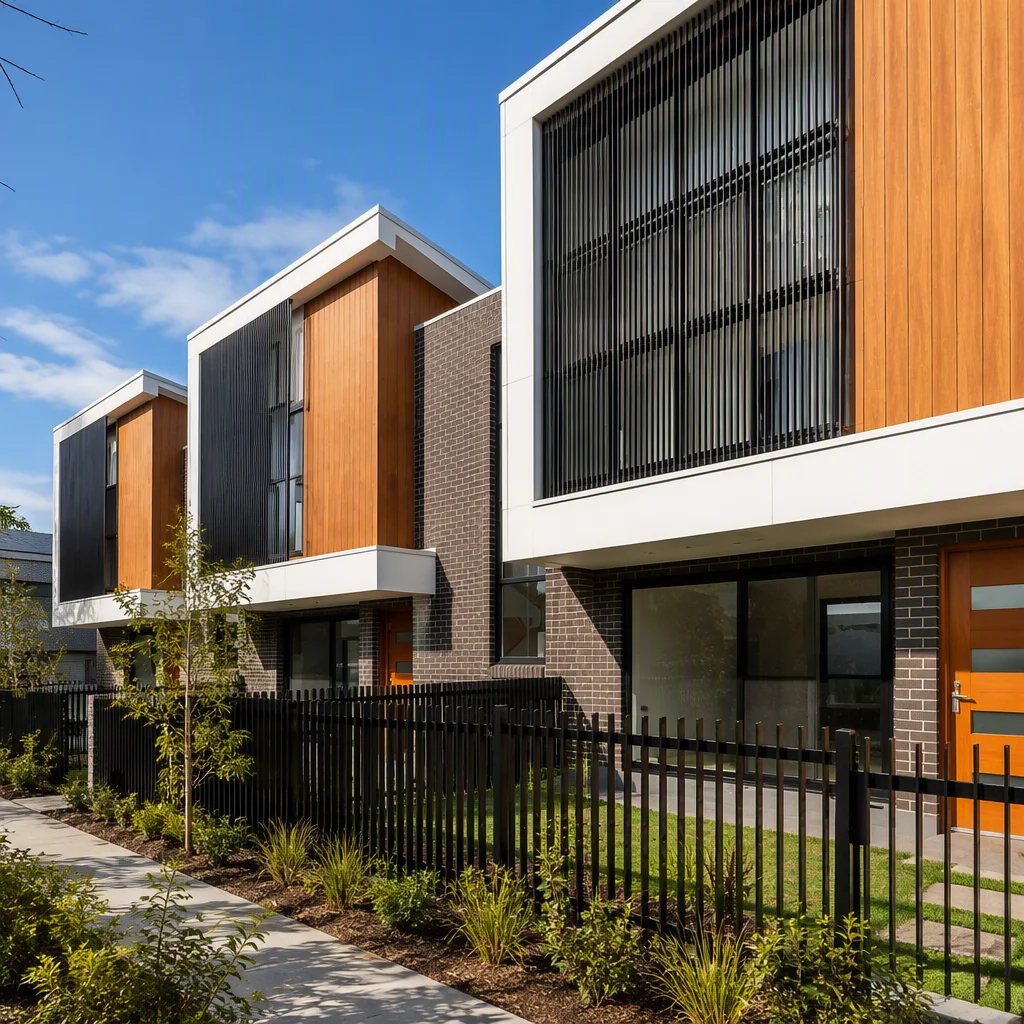
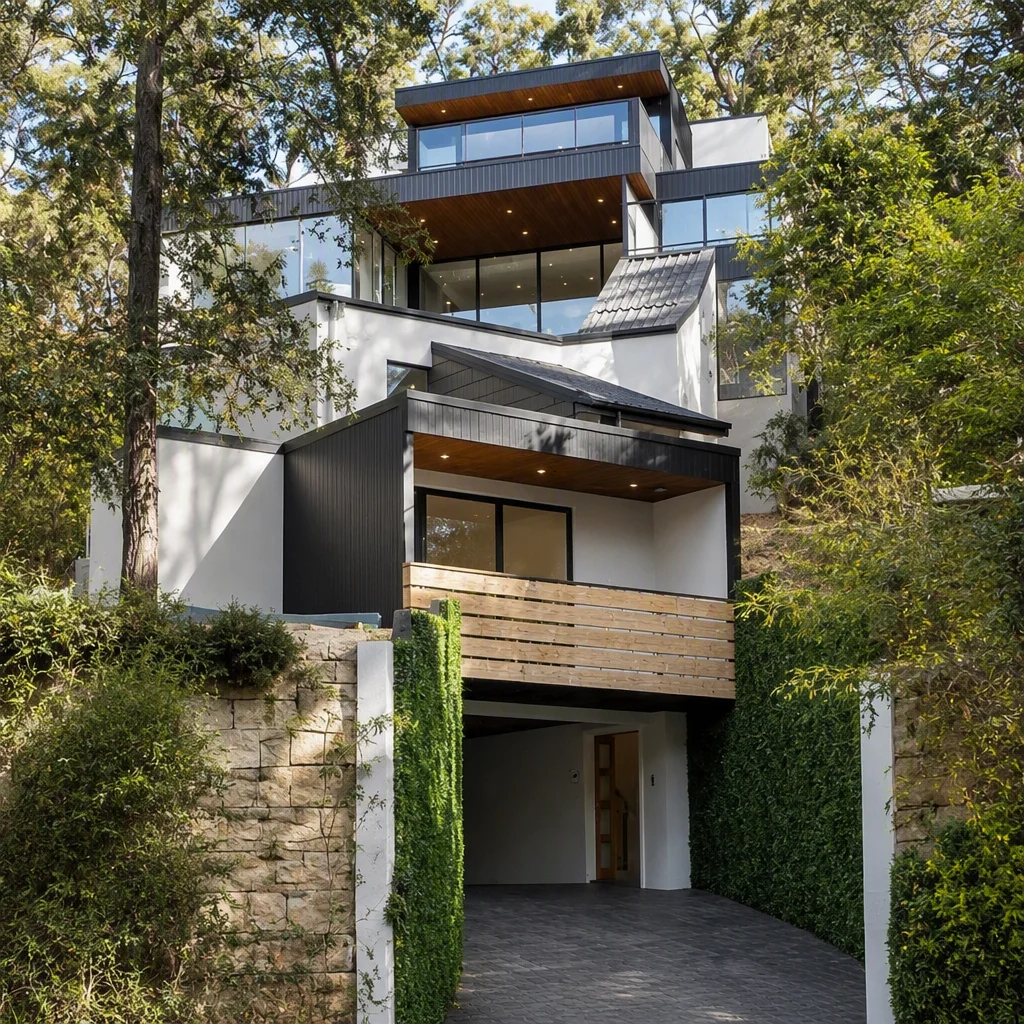
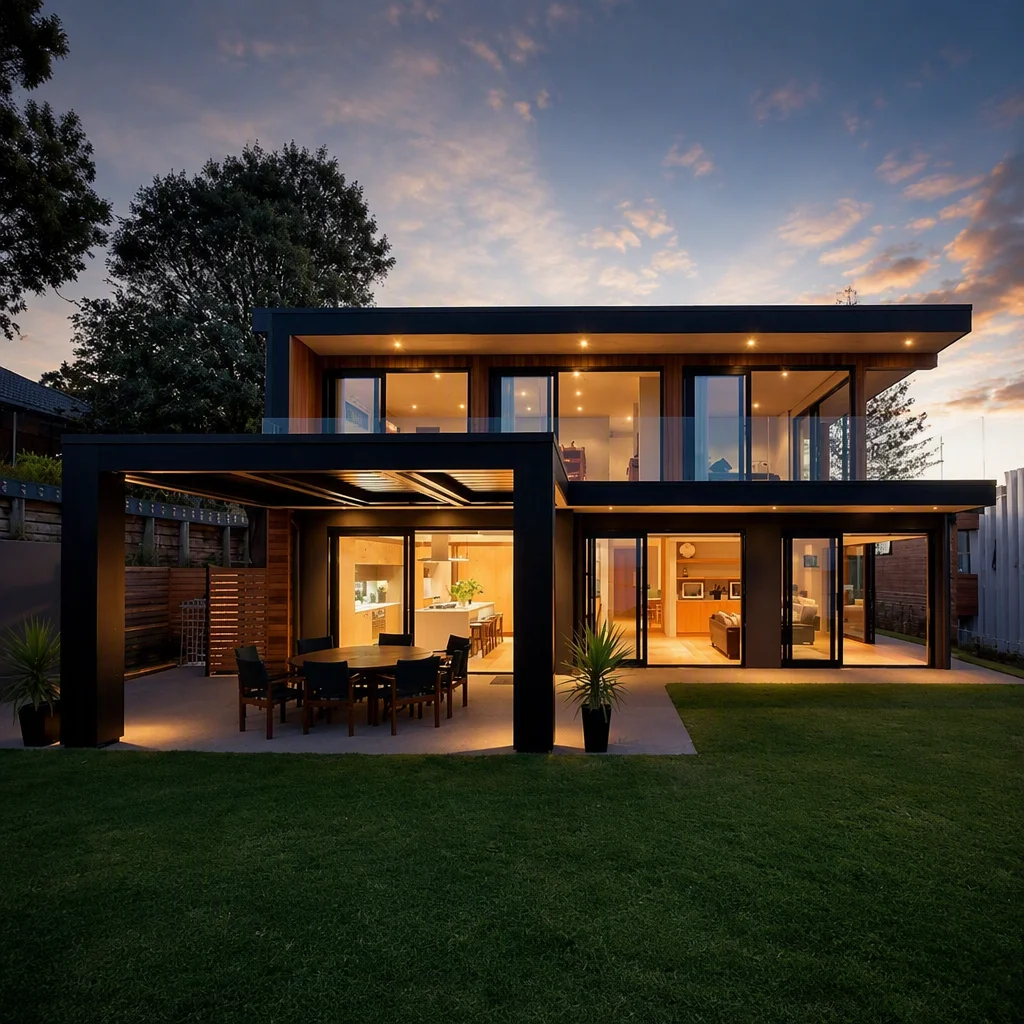
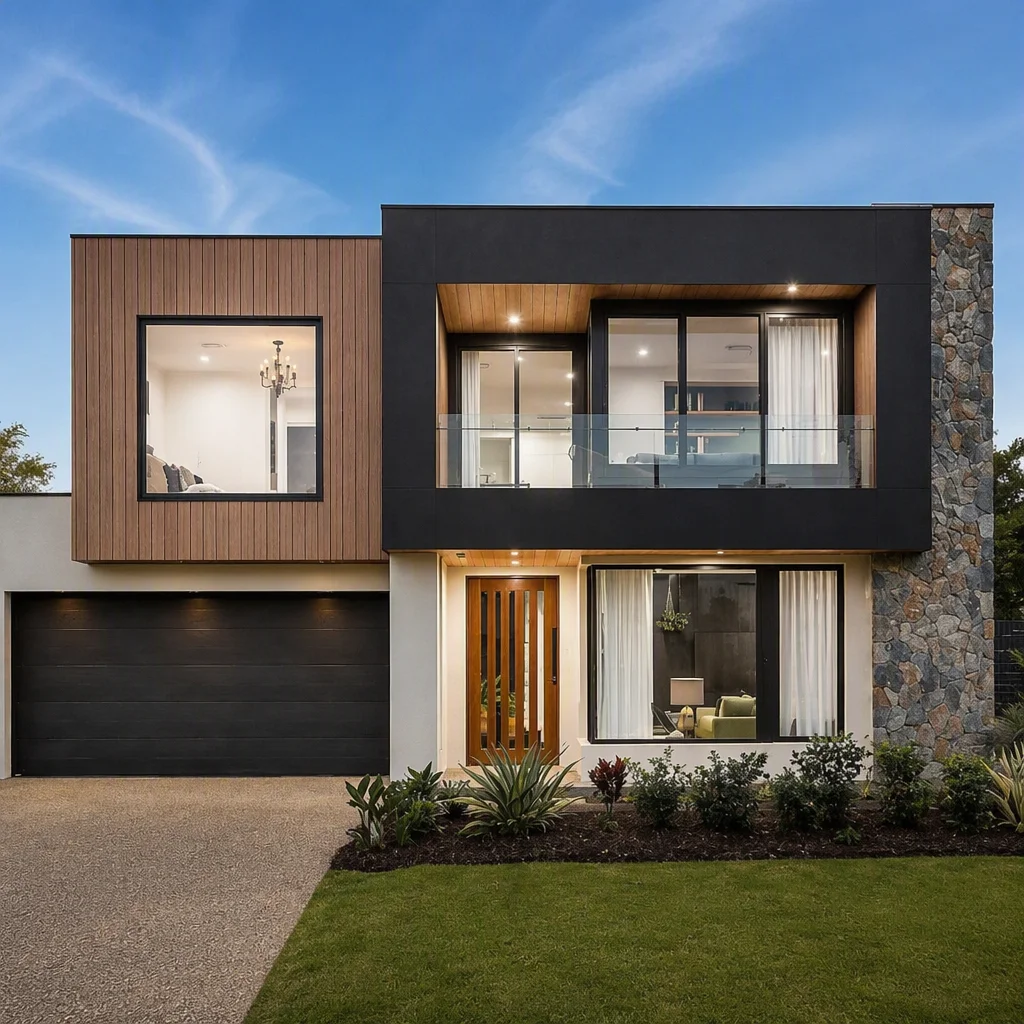
We design and manufacture precision-engineered modular buildings, apartments, hotels, and offices, delivered 50% faster than conventional construction, with uncompromising quality.
Modular construction moves 80% of building work into a controlled factory environment. The result: faster delivery, higher quality, less waste, and lower total cost.
Site preparation and factory production happen simultaneously. A 100-unit apartment building completes in 8 months, not 18.
How It Works →Every module is built to exact specifications with laser-guided precision. Documented quality management at every workstation.
Quality Standards →70% less construction waste, 30% lower carbon footprint, and energy-efficient envelopes that reduce operating costs for decades.
Sustainability →Reduced labor, shorter financing periods, and predictable budgets. Modular delivers 15-20% total project cost savings on average.
Get a Quote →From multi-family residential to hospitality and commercial, we engineer modular solutions for diverse building types.
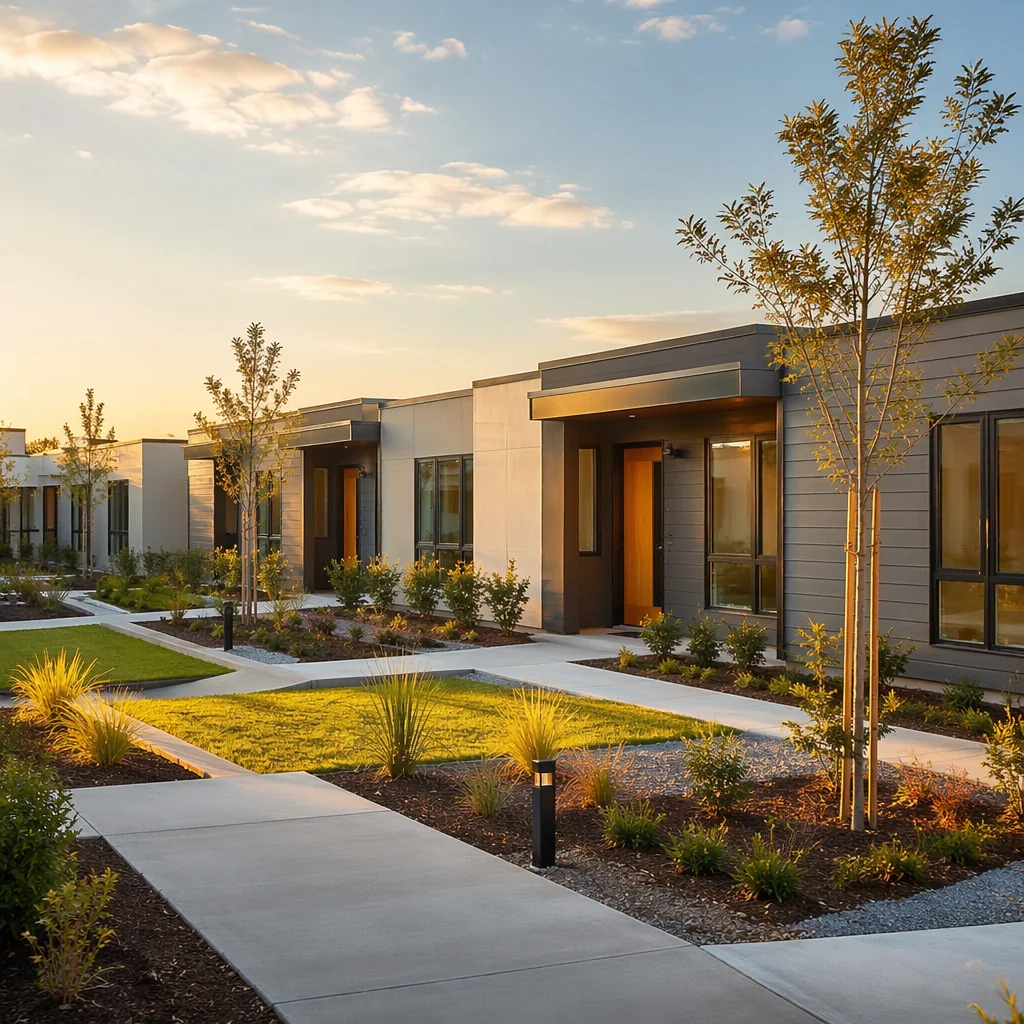
Multi-family residential, student housing, and workforce housing. 20-200 units, delivered move-in ready.
Explore Apartments →
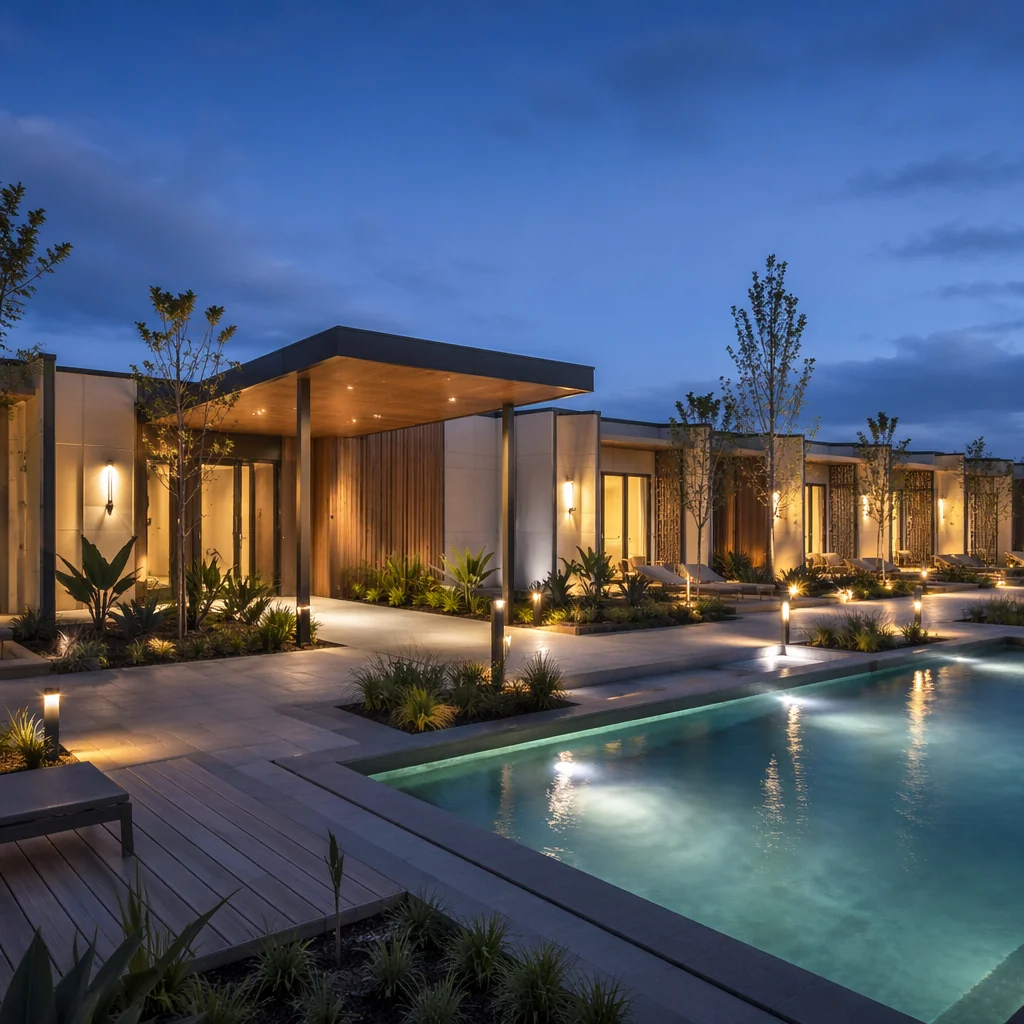
Hotel chains, resorts, and extended-stay properties. Speed-to-market without compromising brand standards.
Explore Hotels →
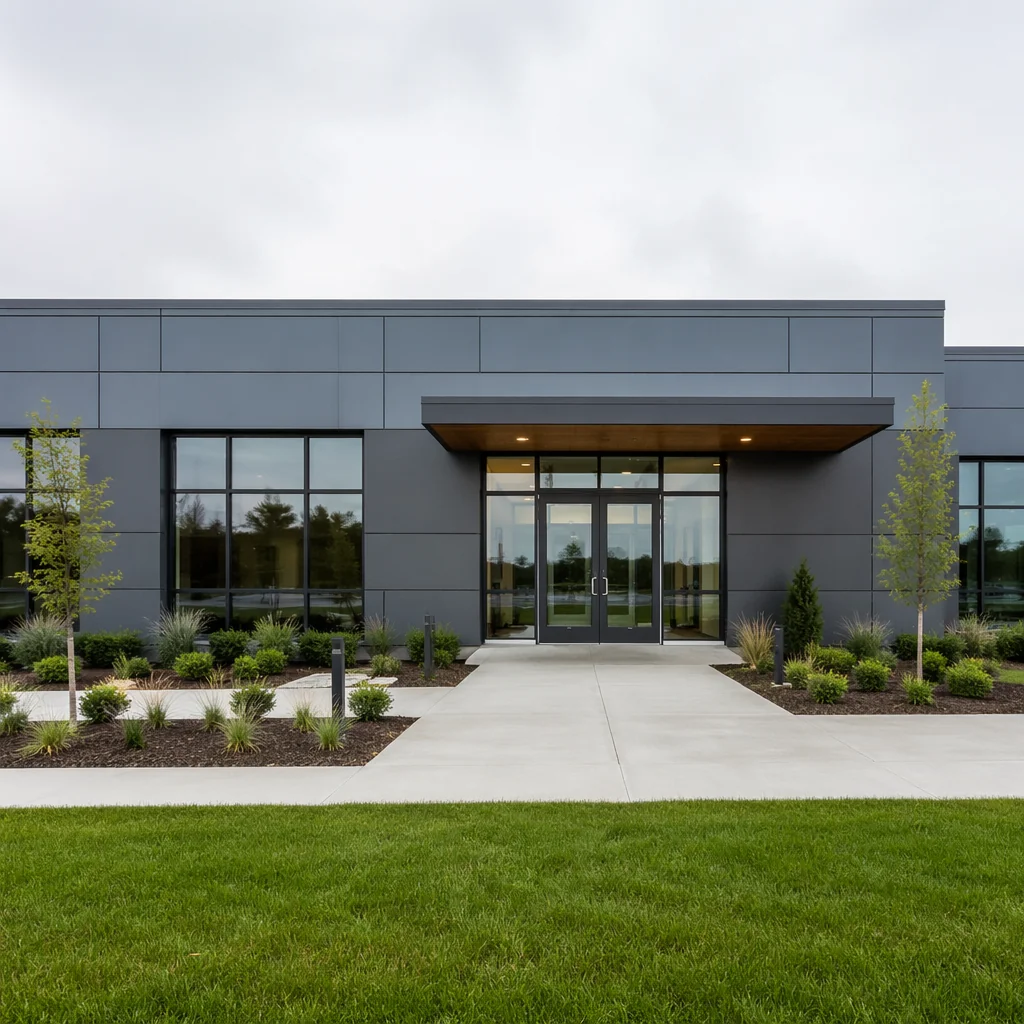
Commercial offices, co-working spaces, and government buildings. Scalable, relocatable, and disruption-free.
Explore Offices →A streamlined process that brings certainty to construction. Design, manufacture, assemble, and deliver, all managed by one team.
Architectural design, structural engineering, and modular optimization. BIM models every module before production.
Modules built in climate-controlled factories with precision tooling. Electrical, plumbing, and finishes installed inline.
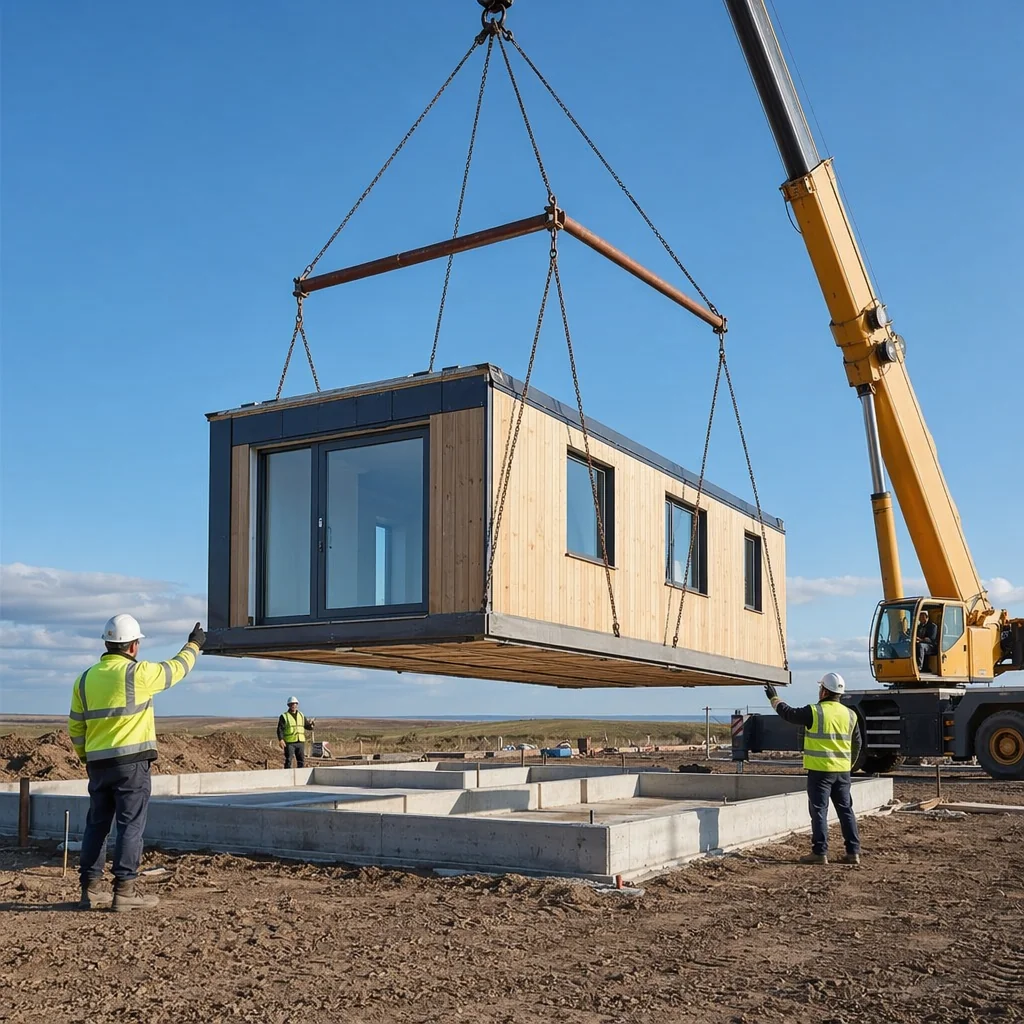
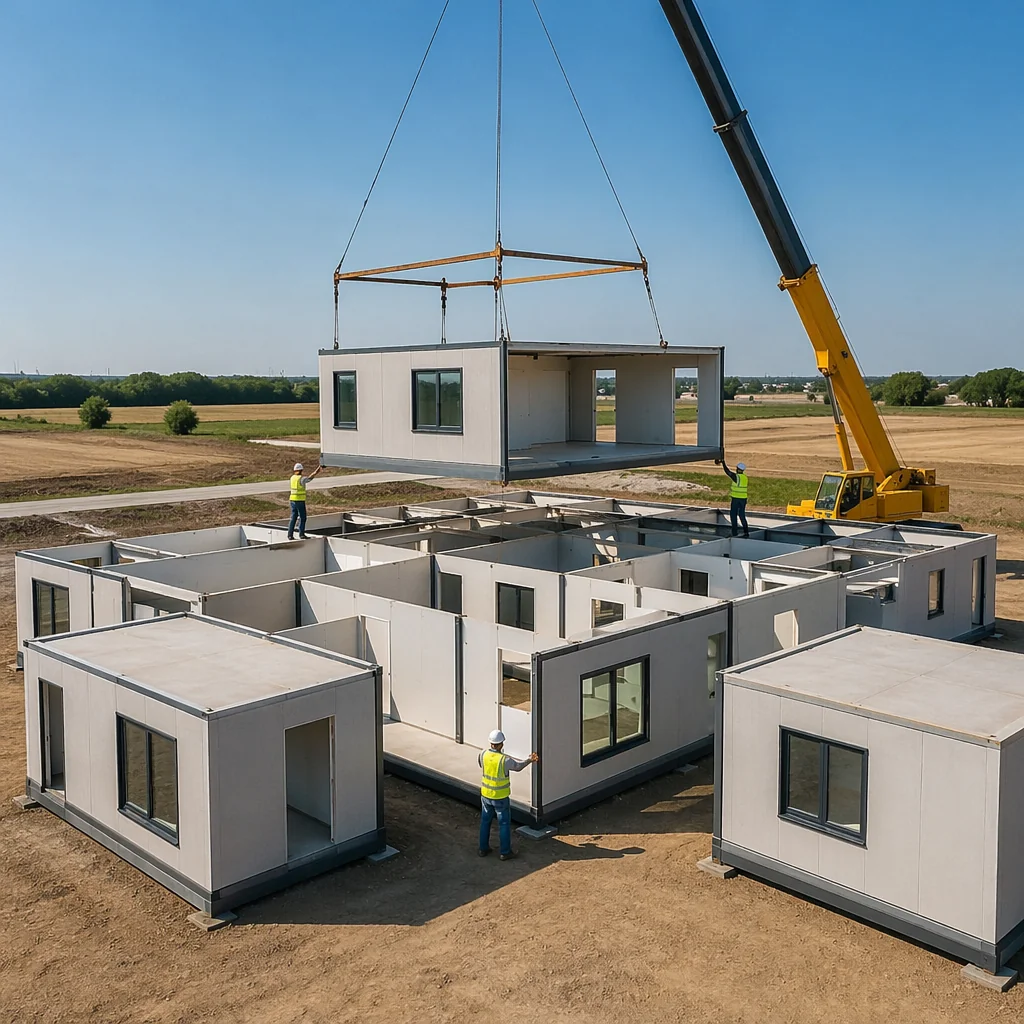
Modules transported to site and craned into position. Typical 100-unit building assembled in 2-3 weeks.
Final connections, commissioning, and quality inspection. Keys delivered with full documentation and warranties.
Modular construction is inherently sustainable. Factory production reduces material waste to under 3%, compared to 15-20% on traditional sites. Our modules exceed local energy codes by 25%, and our buildings are designed for disassembly. Modules can be relocated and reused rather than demolished.
MODURA delivers precision-engineered modular buildings through a verified manufacturing network in East Asia, combining ICC-ES evaluated light-steel framing systems, AISC-certified steel fabrication, and container module lines with a US delivery track record.
Our team coordinates the full program: destination-code engineering, factory quality gates, containerized logistics, and site erection support, so developers, hotel groups, and builders work with one accountable partner from design to handover.
Real programs delivered through MODURA’s manufacturing network, resort cabins, villas, and exported home kits.
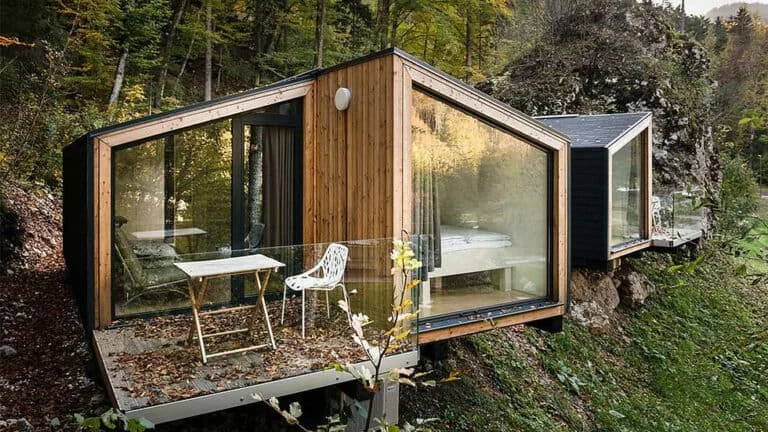
Complete timber-clad cabin modules delivered as finished units and erected on light foundations.
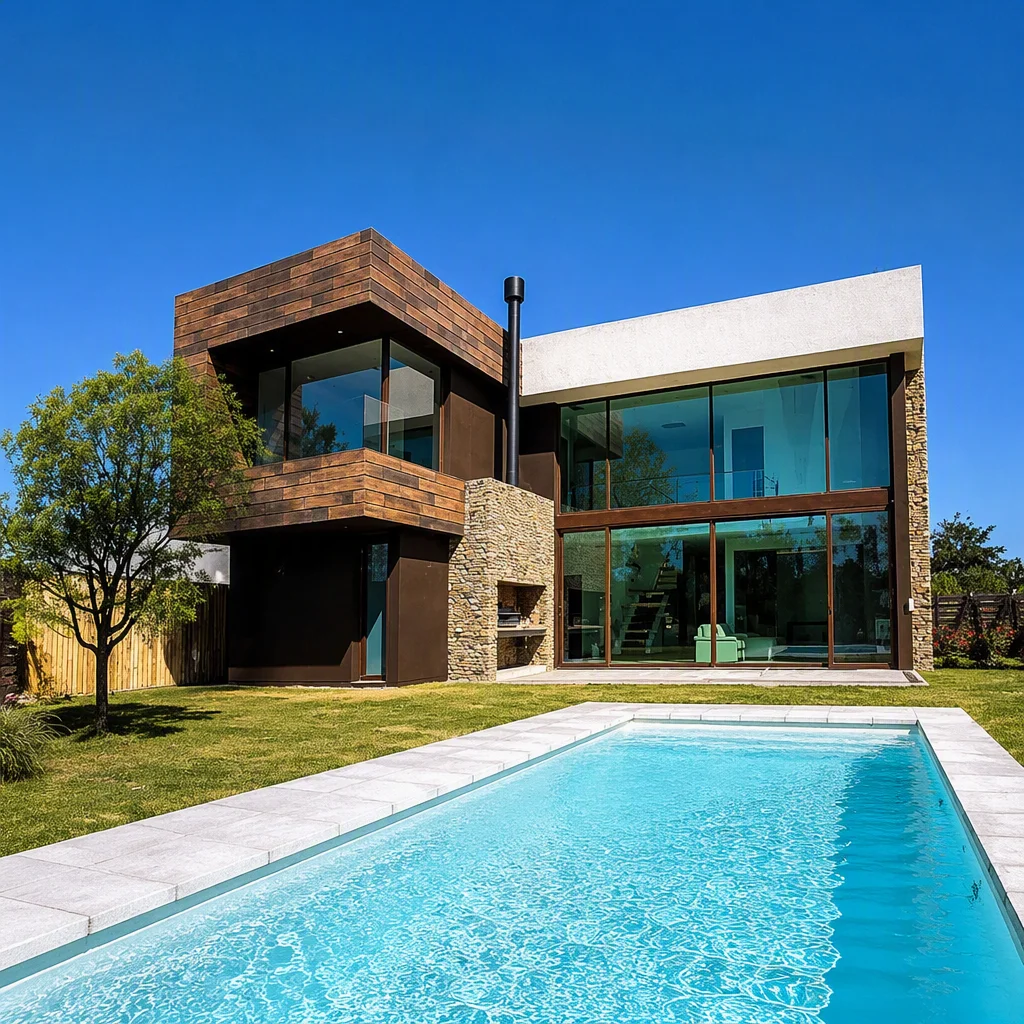
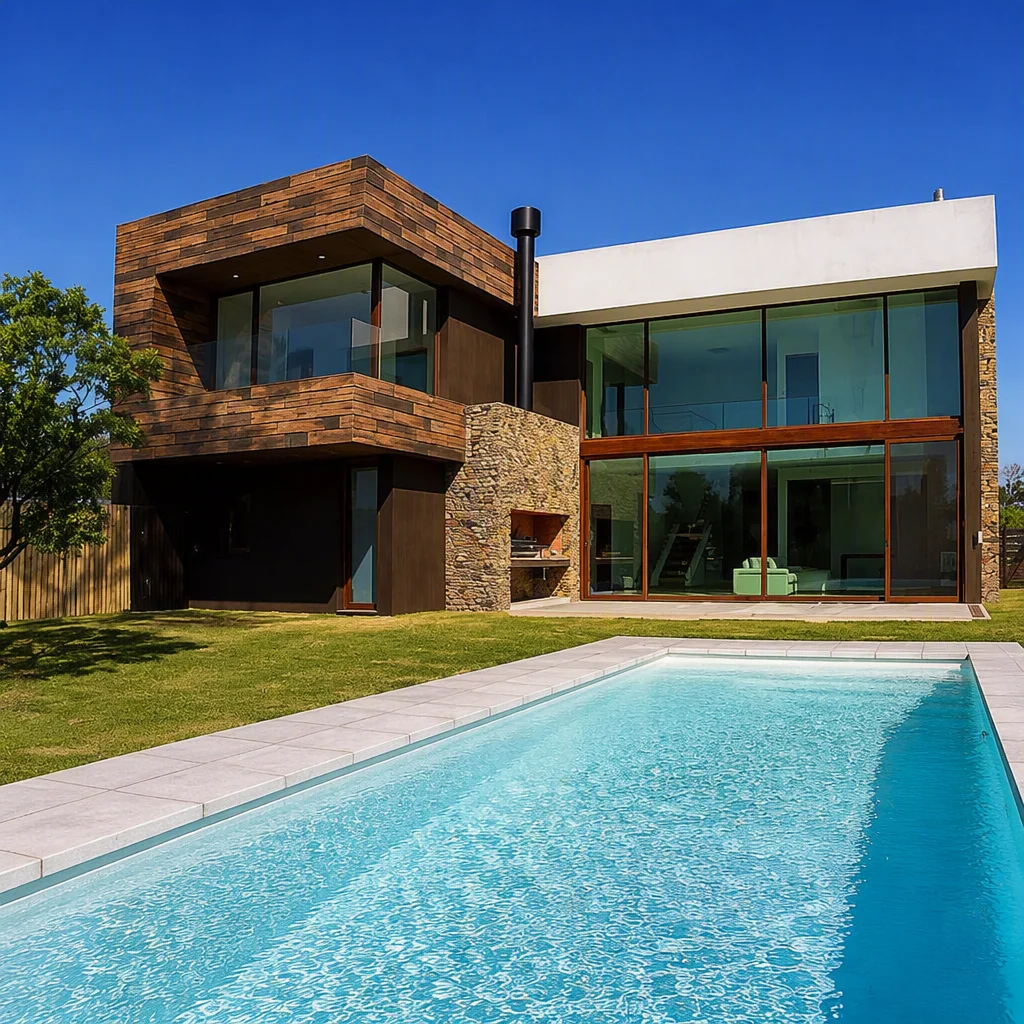
Custom villas with factory-applied render, stone, and timber facades over light-gauge steel frames.
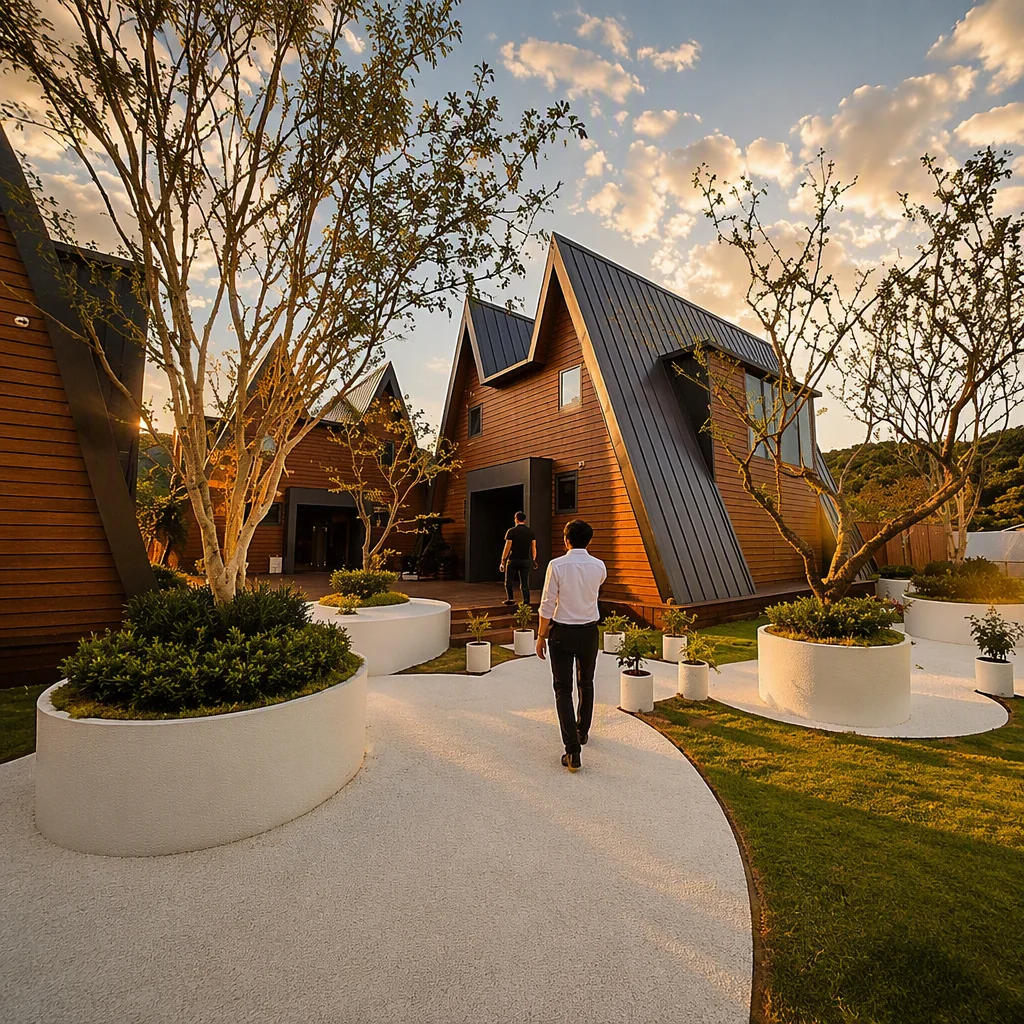
Multi-unit developments shipped containerized and engineered to AS/NZS 4600 for Australian delivery.
Proven LGS home formats from our design library, engineered to your destination code, customizable in layout, facade, and fit-out.

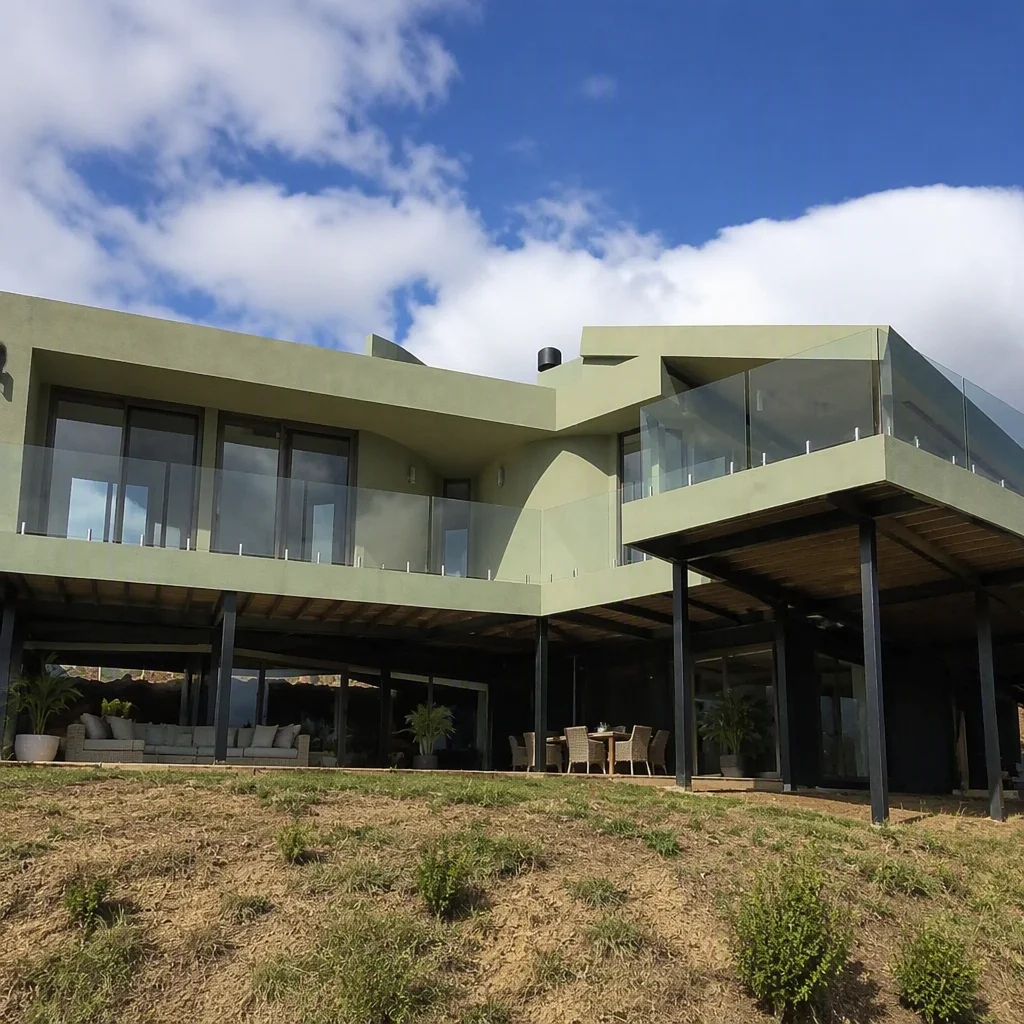
Two-storey hillside villa, render and timber facade.
View Design →
Single-storey family home with covered outdoor room.
View Design →
Cube-format two-storey home with integrated garage.
View Design →
Pool villa with stone and render facade.
View Design →
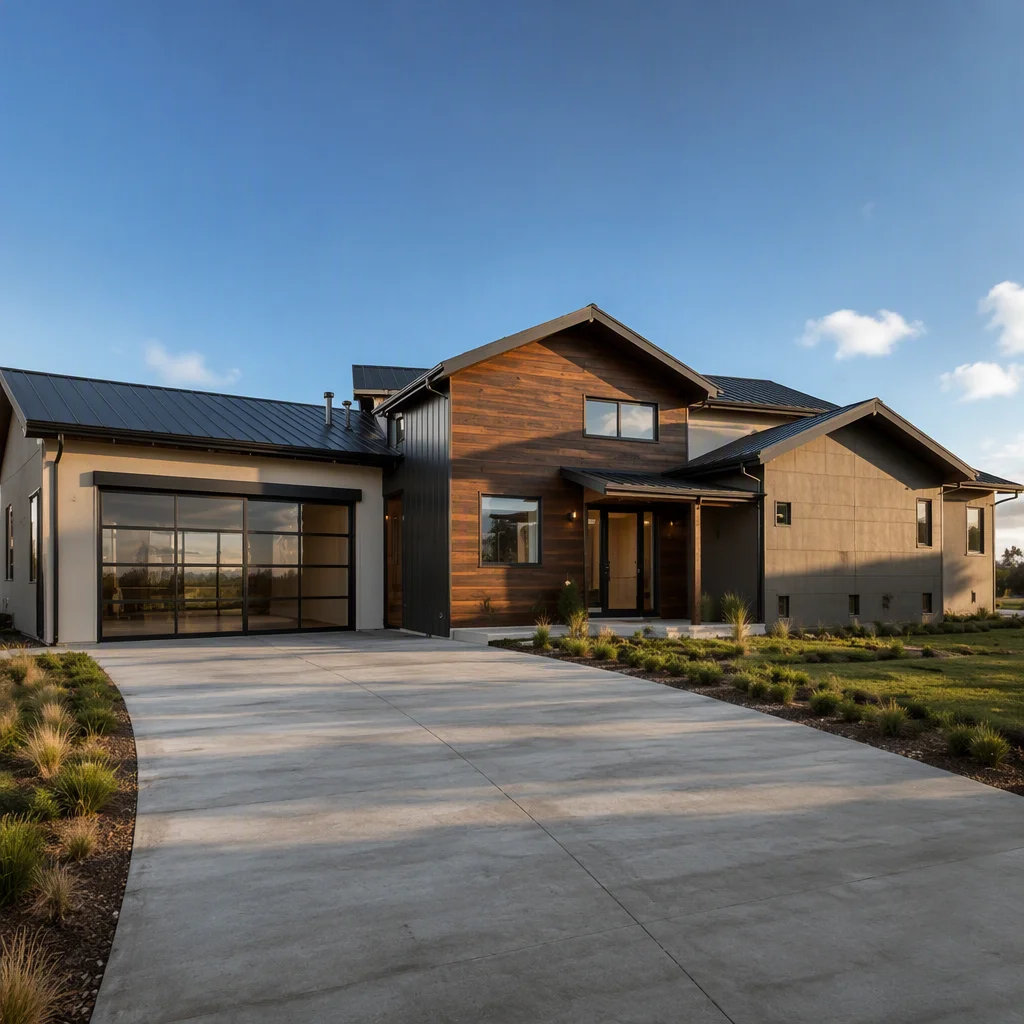
US-standard single-family design with gable roof and porch.
View Design →
Compact mono-pitch design for starter homes and cabins.
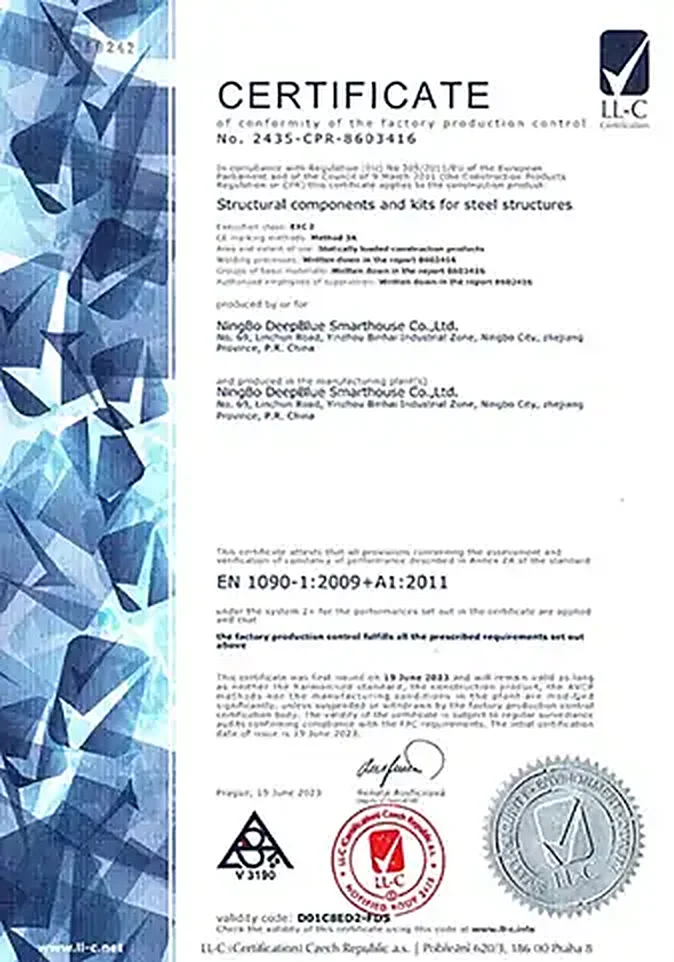
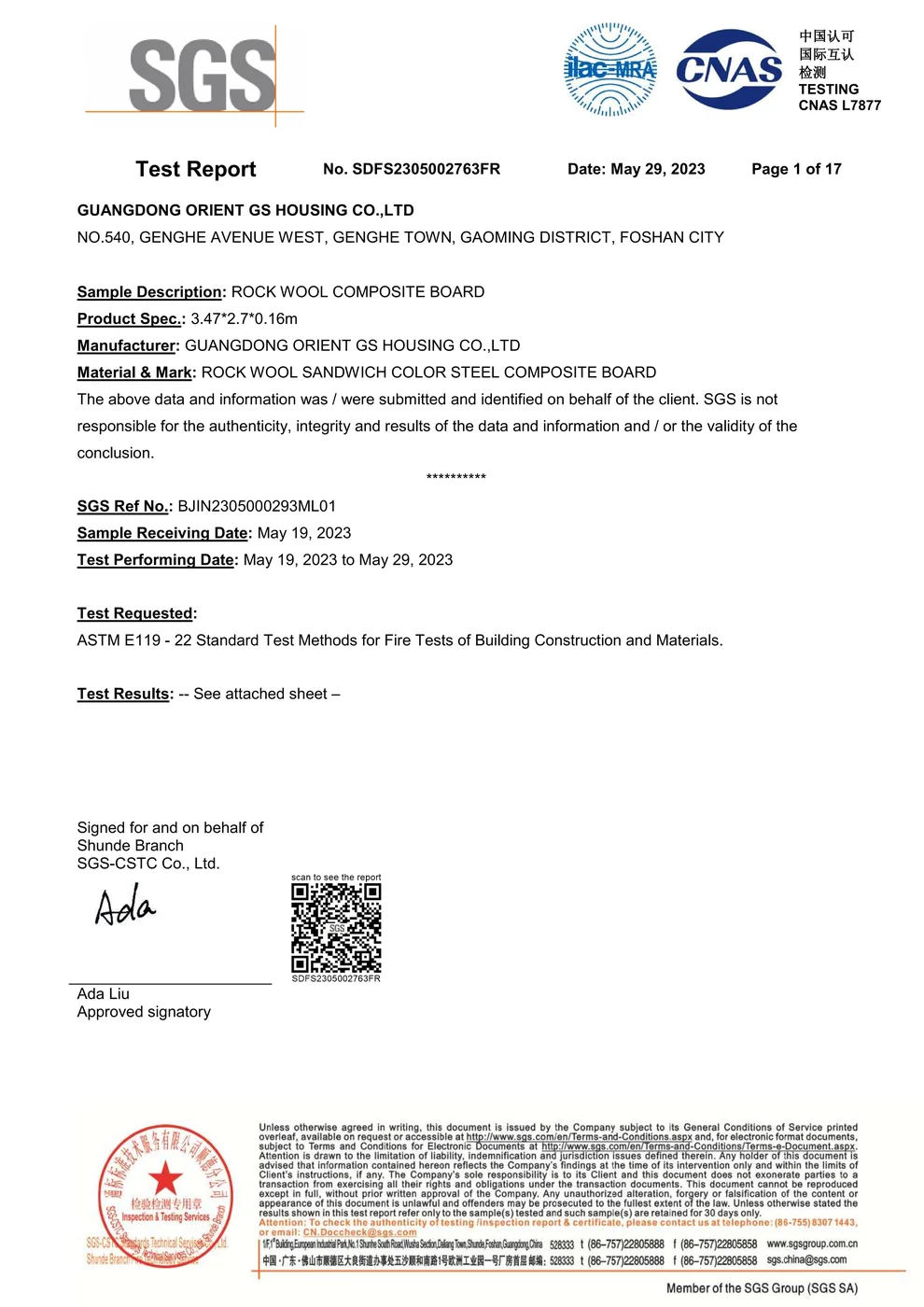
View Design →Certificates held within MODURA’s manufacturing network. Every document is verifiable at the issuing body, originals available on request.

LGS framing system - IBC/IRC 2021 + CA/LA supplements
Holder: Ningbo DeepBlue Smarthouse (MODURA LGS partner)

Quality management systems
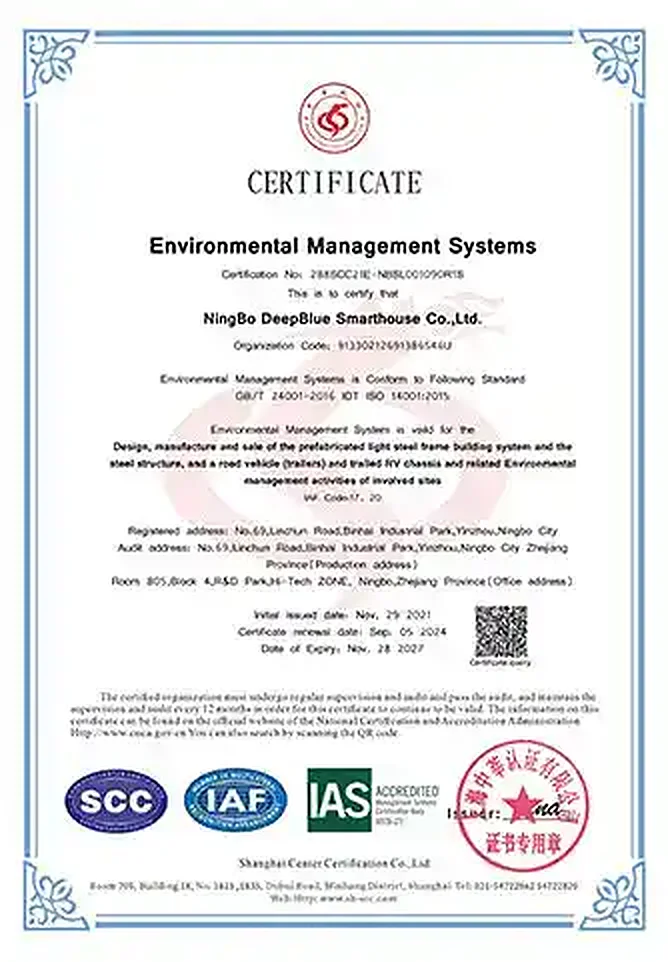
Holder: Ningbo DeepBlue Smarthouse

Environmental management systems
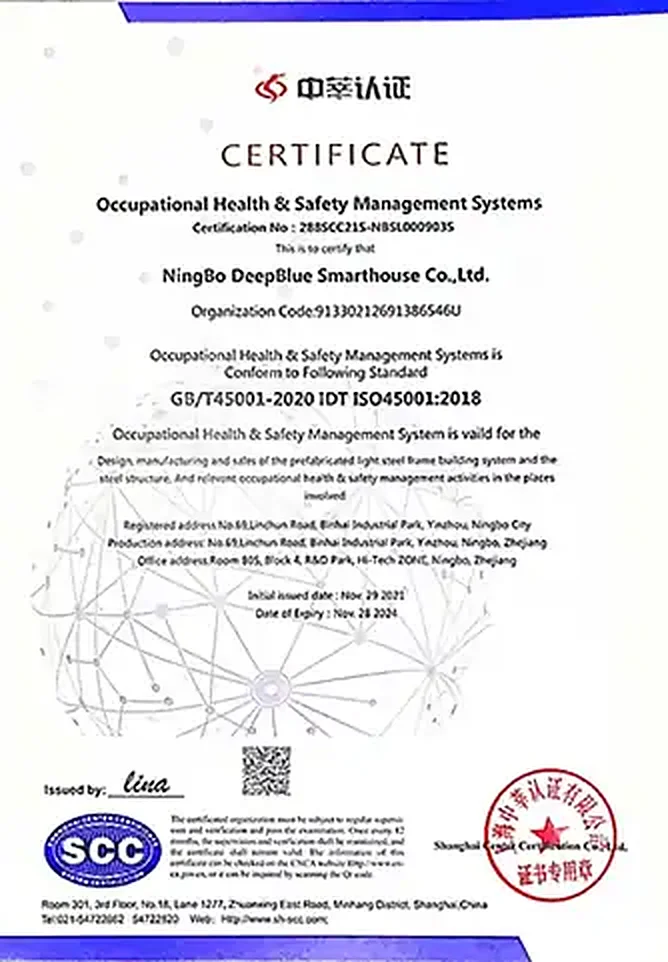
Holder: Ningbo DeepBlue Smarthouse

Occupational health and safety management
Holder: Ningbo DeepBlue Smarthouse

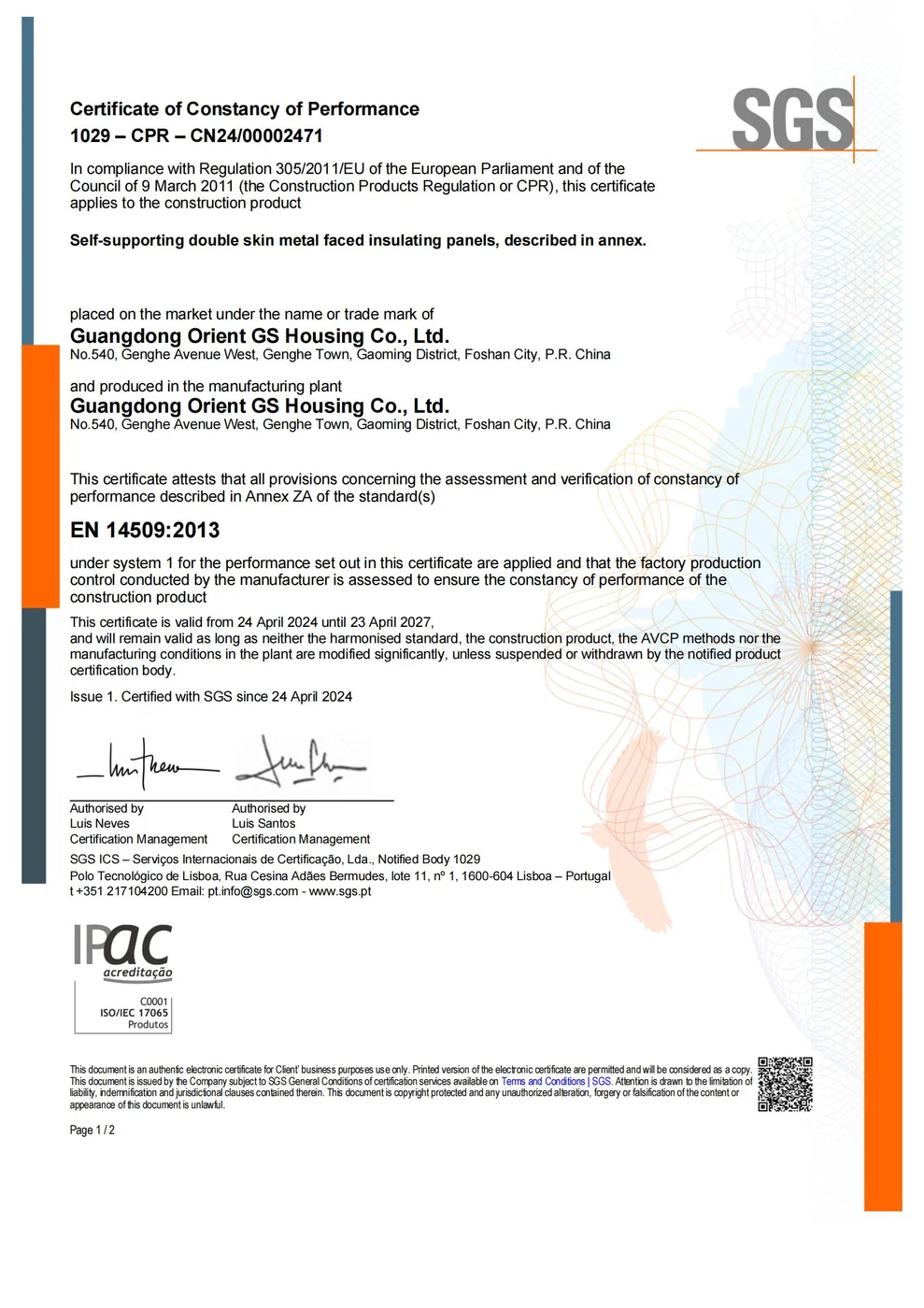
Constancy of performance, EN 14350 - light gauge steel framing
Holder: Yibing Qiaoer Housing (MODURA container-module partner)

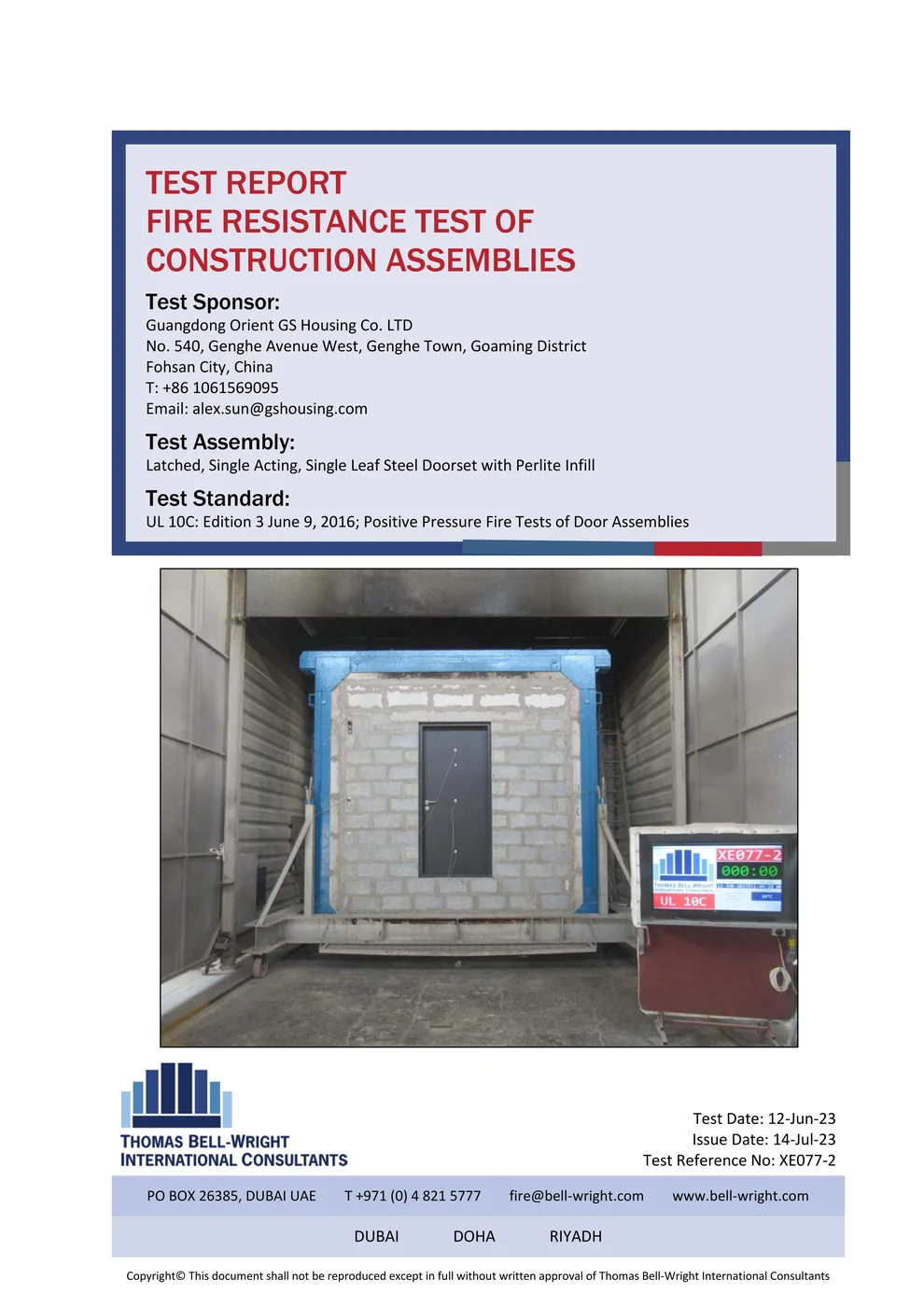
Fire resistance test, loadbearing steel stud panel (ISO 3008-1)
Holder: Yibing Qiaoer Housing (MODURA container-module partner)

Q355B structural steel chemical composition analysis
Holder: Yibing Qiaoer Housing (MODURA container-module partner)

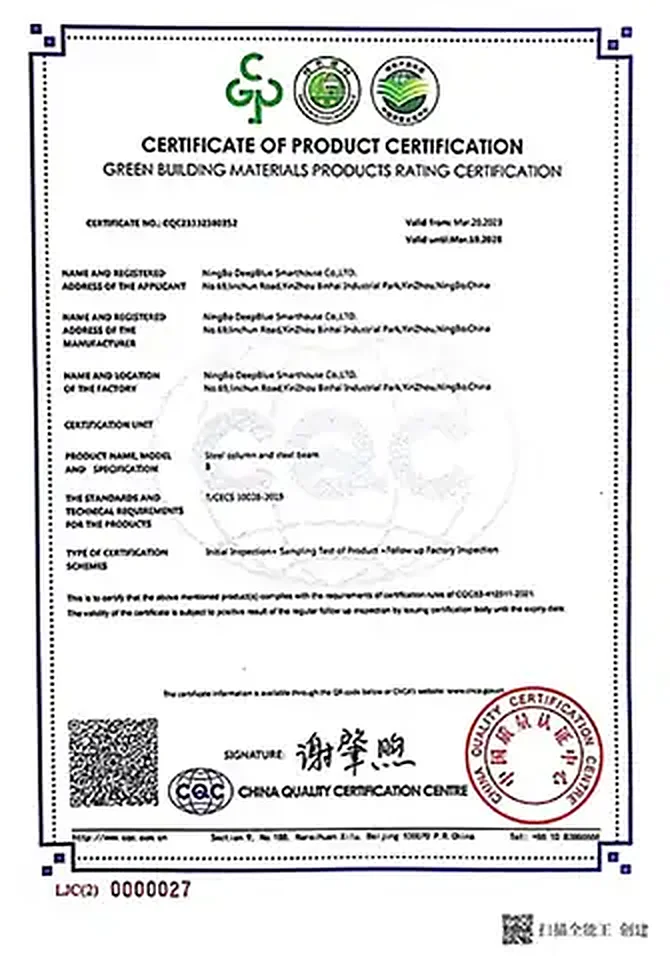
China Quality Certification product certification
Holder: Ningbo DeepBlue Smarthouse

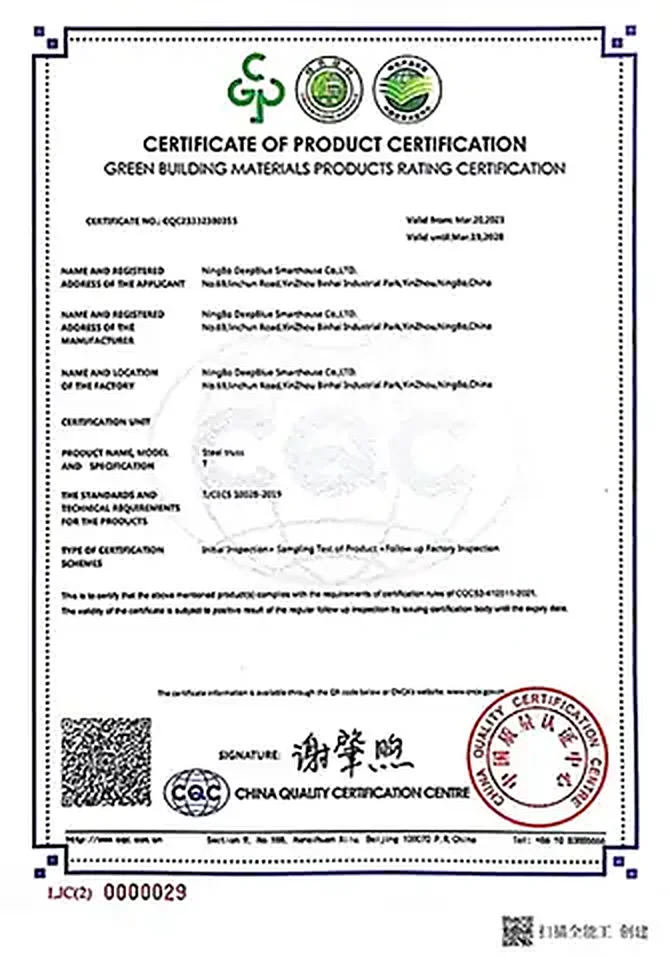
China Quality Certification for steel framing products
Holder: Ningbo DeepBlue Smarthouse
Most modular quotes a buyer receives are a headline price and a delivery month. Neither is checkable. Here is the milestone sequence MODURA works to, who owns each gate, and what it costs to pass a gate late.
| Stage | What is completed | Payment milestone | Cost of passing this gate late |
|---|---|---|---|
| Week 0 - 4: Scope lock | Drawings, specification schedule and module count frozen; geotechnical report and site survey received | Design deposit, 10% | Every later stage reopens. A module count change after week 4 re-prices the factory slot, not just the drawing |
| Week 4 - 8: Engineering release | Structural calculations, load paths, connection details and shop drawings issued for approval | Engineering release, 20% | Factory slot moves back one full cycle. On a 400-module hotel that is 3 to 4 weeks of shifted occupancy |
| Week 8 - 12: Permit & foundation | Permit set submitted; foundation and utility drawings coordinated to the module interface | Production deposit, 20% | Foundation built to the wrong interface is the most expensive late gate. Re-worked footings cannot be recovered in the factory |
| Week 12 - 28: Factory production | Frames, MEP rough-in, finishes and factory QC inspection with photographic records per module | Progress claims at 30% and 50% complete | Client-side late changes are charged at full open-module rate, typically 3 to 5 times the pre-production change rate |
| Week 28 - 34: Transport & set | Shipping plan, crane window booked, modules set and stacked on site | Delivery, 15% | Crane windows are booked per day. A missed window is re-booked, not rescheduled |
| Week 34 - 38: Close-out & handover | Connection finishes, commissioning, as-built pack, warranty registration | Practical completion, 5% on handover | Retention releases early. The buyer loses commercial leverage for snagging |
Factory-built construction wins on repetition, on schedule certainty and on sites where labour is unavailable. It loses on bespoke geometry and on projects with no defined end state. These three questions resolve it before you spend money on a drawing set.
| Gate | Question to answer | Evidence that closes the gate | If you pass the gate late |
|---|---|---|---|
| 1. Repetition | Are at least 60% of your units similar in plan and section? | A unit-mix table showing shared module widths and wet-wall positions across the majority of units | Factory tooling cannot be amortised, so the unit rate rises to near site-built levels and the schedule advantage disappears |
| 2. Site access | Can a 40 ft module reach the set position on a legal haul route, with a crane pad to suit? | A route survey plus a crane-lift plan signed off by the lifting contractor, including overhead line clearances | A module that cannot be delivered is a module that cannot be closed in. Redesign at this stage restarts engineering, not just transport |
| 3. Frozen scope | Is the client organisation able to stop changing the brief after engineering release? | A signed change-control procedure naming the single person authorised to approve post-release variations | Late variations are charged at open-module rate and, worse, consume factory slots that other buyers have booked |
A modular supplier's references are only useful if they carry numbers. These are the record types held for completed projects, and the question to ask about each one.
| Record type | What it contains | The question that tests it |
|---|---|---|
| Module fabrication log | Per-module start and finish dates, QC sign-off, and photographic records at each inspection hold point | Compare the logged factory dates against the contracted production window. A log that shows no variations means either a very simple project or a log that was written at the end |
| Set-out and lift plan | Crane positions, module weights, lift sequence and the daily weather decisions taken on site | Ask how many set days were lost, to what, and what the recovery plan was. A supplier with no lost days has not built a complex project |
| Commissioning and snag list | Systems tested, results recorded, and the snag items closed before practical completion | Ask what proportion of snags were closed in the factory rather than on site. That number is the honest measure of factory quality |
| Certification pack | Certificate holder name, issuing body, report number and scope of certification for the framing and envelope systems | Match the certificate holder to the factory address. A certificate held by a trading company tells you nothing about the plant that welds your frames |
The commercial and technical documents behind these records are set out in our guides to modular construction cost per square foot, total cost planning across the project life, and modular construction scheduling. The interface between factory scope and site scope is defined in the contract types comparison and the RFP procurement guide.
Modular is not cheaper on every line. It is cheaper on the lines driven by labour hours and site time, and more expensive on the lines driven by transport and lifting. A buyer who knows which lines are which can price a modular bid against a traditional bid honestly.
| Cost line | Modular | Site-built | What moves the number |
|---|---|---|---|
| Structure and envelope | Lower: factory jigs, consistent material yields, waste under 3% | Higher: site cutting, weather losses, 15 to 20% material waste | Repetition. The more identical modules, the wider the gap |
| On-site labour | Lower: 60 to 90% of trade hours move indoors | Higher: every trade works on site, in sequence, in the weather | Local labour rates and whether the site is reachable by trades at all |
| Transport and lifting | Higher: modules are wide loads and need crane windows | Minimal: materials arrive on standard trucks | Distance from plant to site, haul route restrictions, crane size required |
| Foundation | Often lower: lighter, more predictable loads, faster set-out | Case by case: depends on structural system and site soil | Ground conditions. A poor site penalises site-built construction more |
| Finance and carrying cost | Lower: the construction period that earns interest is shorter | Higher: every week on site is a week of carrying cost | The interest rate and whether the asset starts earning during construction |
| Late changes | Higher once a module is closed | Lower: a wall can still be moved on site | How disciplined your change control is. This is the line buyers underestimate |
Worked cost examples for apartments, hotels and industrial facilities are in the cost per square foot guide, and the structural assumptions behind the foundation line are covered in modular building foundation systems.
These come up in nearly every pre-award call with an overseas buyer. The answers are the same whether or not you end up building with us.
The production price is fixed once engineering is released and the module count is frozen. Site works, transport and crane hire are quoted separately, and those are the lines that move if the site turns out to be different from the survey. Ask for the site scope to be listed line by line.
Before engineering release, changes are drawing revisions. After release they are factory changes, and a frame that is already welded or lined costs several times more to reopen. The change-control procedure in project risk reduction is worth reading before you sign.
Transport insurance is arranged per shipment and the shipping plan is agreed with the buyer before the first module leaves. What matters more is the repair procedure: who signs off a repair, and whether the repaired module can still be certified. Ask for it in writing.
MODURA supplies the drawings and calculations the local authority needs. The permit application itself is filed by the buyer or their local representative, because it must be issued to the entity that owns the site. Our permitting and zoning guide sets out what that submission normally contains.
Yes, and a live walkthrough of modules in production is more informative than any brochure. If travel is not practical, ask for a video call from the production line during a scheduled inspection, with the module serial numbers visible. Certification scope is summarised on our quality page.
Structural and envelope warranties are defined in the contract and start from practical completion, not from shipping. The difference between those two dates is the shipping and set period, and it matters. See warranties and structural guarantees.
Talk to our team about your next project. Free consultation, detailed proposal within 5 business days.
Get a Free Quote